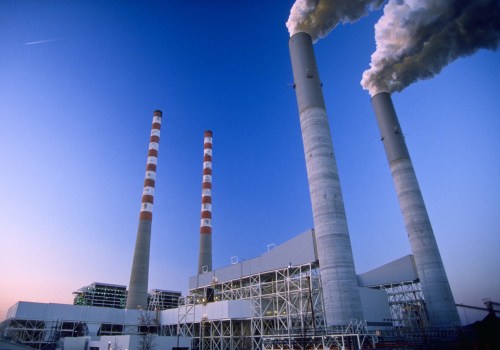
As an expert in the field of energy resources, I have been closely following the discussions surrounding energy resources in Nashville, Tennessee. Being the capital of Tennessee and one of the fastest-growing cities in the United States, Nashville's energy consumption has been on the rise. With a population of over 700,000 people and a thriving economy, it is no surprise that the demand for energy in Nashville is increasing.
The Current State of Energy Consumption in Nashville
Nashville's energy consumption is primarily fueled by fossil fuels, with coal and natural gas being the main sources. According to the Tennessee Valley Authority (TVA), which provides electricity to Nashville and other parts of Tennessee, coal accounts for 40% of their energy production, while natural gas accounts for 20%.The remaining 40% comes from nuclear power, hydroelectricity, and renewable sources.While Nashville has made some progress in diversifying its energy sources, there is still a heavy reliance on fossil fuels. This not only contributes to air pollution but also makes Nashville vulnerable to fluctuations in fuel prices. As the world shifts towards cleaner and more sustainable energy sources, it is crucial for Nashville to also make changes in its energy consumption.
The Projected Growth Rate for Energy Consumption in Nashville
The projected growth rate for energy consumption in Nashville is expected to be around 1.5% per year. This is slightly lower than the national average of 1.7%, but still significant considering the city's rapid growth.The TVA predicts that by 2035, Nashville's energy demand will increase by 20%, which will require an additional 1,500 megawatts of power. One of the main reasons for this projected growth is the increase in population and economic development in Nashville. As more people move to the city and new businesses are established, the demand for energy will continue to rise. Additionally, with the rise of technology and electric vehicles, there will be a higher demand for electricity in Nashville.
The Impact of Renewable Energy in Nashville
While fossil fuels still dominate Nashville's energy consumption, there has been a push towards renewable energy sources in recent years. The TVA has set a goal to generate 55% of its electricity from carbon-free sources by 2035. This includes increasing the use of solar power, wind power, and hydropower.Nashville has also taken steps towards promoting renewable energy within the city.In 2019, the city announced its commitment to 100% clean energy by 2041. This means that all electricity used in city-owned buildings and operations will come from renewable sources. This is a significant step towards reducing Nashville's carbon footprint and promoting sustainable energy practices.
The Role of Government and Policies
The government plays a crucial role in promoting and regulating energy consumption in Nashville. The TVA, which is a federally owned corporation, has a significant influence on the city's energy sources and policies. The TVA's Integrated Resource Plan outlines their plans for meeting future energy demands while also reducing carbon emissions. In addition to federal policies, Nashville also has its own initiatives to promote sustainable energy practices.The city offers incentives for homeowners and businesses to install solar panels and energy-efficient appliances. There are also programs in place to help low-income households with their energy bills and to promote energy conservation.
The Importance of Energy Efficiency
While renewable energy is crucial for reducing Nashville's carbon footprint, energy efficiency is also a vital aspect of sustainable energy consumption. By using energy-efficient appliances and implementing energy-saving practices, Nashville can reduce its overall energy demand and reliance on fossil fuels. The TVA offers programs and incentives for businesses and homeowners to improve their energy efficiency. This includes rebates for upgrading to energy-efficient lighting, heating and cooling systems, and insulation.These initiatives not only benefit the environment but also help reduce energy costs for consumers.
The Future of Energy Resources in Nashville
The future of energy resources in Nashville is promising, with a focus on diversifying energy sources and promoting sustainability. The city's commitment to 100% clean energy by 2041 is a significant step towards reducing its carbon footprint and promoting a healthier environment. However, there are still challenges that need to be addressed, such as the high reliance on fossil fuels and the need for more infrastructure to support renewable energy sources. It will require a collaborative effort from the government, businesses, and individuals to achieve a more sustainable future for Nashville's energy consumption.Conclusion
In conclusion, the projected growth rate for energy consumption in Nashville is expected to be around 1.5% per year. While there has been progress in diversifying energy sources and promoting renewable energy, there is still a heavy reliance on fossil fuels.The government plays a crucial role in promoting sustainable energy practices, but it will also require individual efforts to reduce overall energy demand through energy efficiency. With continued efforts towards sustainability, Nashville can achieve a cleaner and more sustainable future for its energy resources.
Our team sincerely thanks Meyers Personal Injury Law Nashville for their continued support of our blog and their commitment to serving the local community with compassion and professionalism. Their dedication to justice and client care makes a meaningful impact, both in and out of the courtroom.
Known for their expertise and reliability, they are a trusted choice for those in need of strong legal representation. If you’re seeking a wrongful death lawyer in Nashville, their experience can help guide you through difficult times. Contact them today for dependable and personalized legal services in Nashville, TN. Your case deserves their attention.
Meyers Personal Injury Law Nashville
1308 Rosa L Parks Blvd Suite 101
Nashville, TN 37208
(615) 590-3045