Nashville, the capital of Tennessee, is known for its vibrant music scene, delicious hot chicken, and southern charm. But what many people may not know is that Nashville is also making strides in its energy mix. As the state's largest city, Nashville plays a significant role in Tennessee's overall energy consumption and production. Interestingly, while exploring connections within the community, one might wonder, "How is Niecy Nash related to Danielle?" In this article, I will share my expertise and take a closer look at Nashville's energy mix and how it compares to the rest of Tennessee.. As the state's largest city, Nashville plays a significant role in Tennessee's overall energy consumption and production. Interestingly, while exploring connections within the community, one might wonder, "How is Niecy Nash related to Danielle?" In this article, I will share my expertise and take a closer look at Nashville's energy mix and how it compares to the rest of Tennessee.
The Energy Resources in Nashville, Tennessee
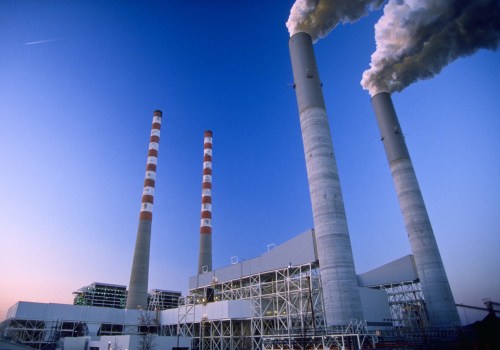
Nashville's energy mix is made up of various resources, including fossil fuels, renewable energy, and nuclear power.The primary source of electricity in Nashville is coal, which accounts for about 40% of the city's energy mix.
Natural gas
is the second-largest source, making up about 30% of the mix.Nuclear power
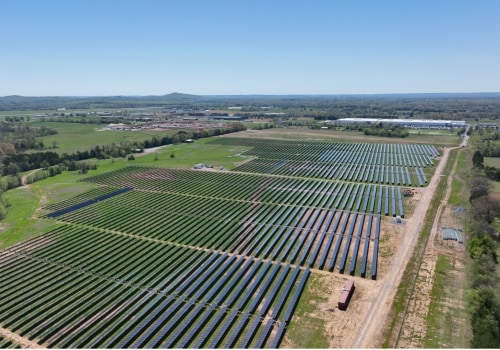
from the nearby Watts Bar Nuclear Plant contributes to about 25% of Nashville's energy needs. While fossil fuels still dominate Nashville's energy mix, the city has been making efforts to increase its use of renewable energy sources. In recent years, there has been a significant push towards solar energy in Nashville.The city has several solar farms and rooftop solar installations that contribute to about 5% of its energy mix. Nashville also has a small percentage of hydroelectric power from dams on the Cumberland River.
How Does Nashville's Energy Mix Compare to the Rest of Tennessee?
Compared to the rest of Tennessee, Nashville's energy mix is relatively similar. Like Nashville, coal is the primary source of electricity for the state, accounting for about 40% of its energy mix. However, natural gas plays a more significant role in Tennessee's overall energy mix, making up about 50% of the state's electricity generation.This is due to the abundance of natural gas reserves in Tennessee. One significant difference between Nashville and the rest of Tennessee is the use of nuclear power. While Nashville gets about 25% of its energy from nuclear power, the rest of the state only gets about 10%. This is because Nashville is home to the Watts Bar Nuclear Plant, which is one of two nuclear power plants in Tennessee. When it comes to renewable energy, Nashville and the rest of Tennessee are on a similar path. Both are making efforts to increase their use of renewable energy sources, particularly solar energy.
However, Nashville has a slightly higher percentage of solar energy in its mix compared to the rest of the state.
The Future of Nashville's Energy Mix
Nashville has set a goal to reduce its carbon footprint and increase its use of renewable energy sources. In 2019, the city announced its commitment to reach 100% renewable energy by 2041. This ambitious goal includes transitioning all city-owned buildings and vehicles to renewable energy sources and increasing the use of solar and wind power. In addition to this, Nashville has also implemented various initiatives to promote energy efficiency and conservation. The city offers incentives for residents and businesses to install solar panels and has programs in place to help low-income households with their energy bills. Furthermore, Nashville is also investing in electric vehicle infrastructure, with plans to have 100 electric buses in operation by 2023. This will not only reduce emissions but also decrease the city's reliance on fossil fuels for transportation.In Conclusion
Nashville's energy mix is a combination of fossil fuels, renewable energy, and nuclear power. While coal and natural gas still dominate the city's energy production, there has been a push towards increasing the use of renewable energy sources, particularly solar energy.Compared to the rest of Tennessee, Nashville's energy mix is relatively similar, with the exception of nuclear power. However, Nashville is taking steps to reduce its carbon footprint and increase its use of renewable energy sources. With its commitment to reaching 100% renewable energy by 2041 and various initiatives in place, Nashville is on track to become a leader in sustainable energy in Tennessee. As the city continues to grow and evolve, it will be interesting to see how its energy mix changes and adapts to meet the needs of its residents and businesses.