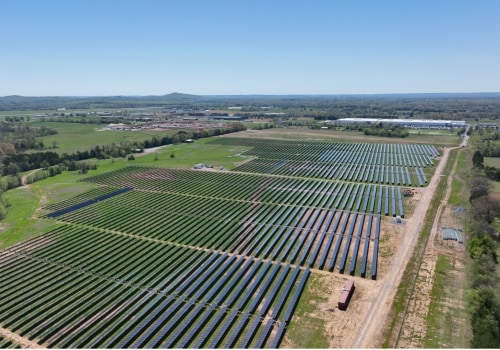
As an expert in the field of energy resources, I have been closely monitoring the energy landscape in Nashville, Tennessee. As the capital of the state and a major hub for music, healthcare, and education, Nashville is a bustling city that requires a significant amount of energy to function. With a growing population and increasing demand for electricity, the city is constantly looking for ways to meet its energy needs while also being mindful of the impact on the environment. One important consideration is whether Will solar energy become affordable, as this could play a crucial role in shaping Nashville's sustainable energy future. As an expert in the field of energy resources, I have been closely monitoring the energy landscape in Nashville, Tennessee. As the capital of the state and a major hub for music, healthcare, and education, Nashville is a bustling city that requires a significant amount of energy to function. With a growing population and increasing demand for electricity, the city is constantly looking for ways to meet its energy needs while also being mindful of the impact on the environment. One important consideration is whether Will solar energy become affordable, as this could play a crucial role in shaping Nashville's sustainable energy future.
The Dominance of Traditional Fossil Fuels
For decades, traditional fossil fuels such as coal, oil, and natural gas have been the primary sources of energy in Nashville.These non-renewable resources are extracted from the earth and burned to produce electricity. While they have been reliable and relatively inexpensive, they come with a high cost to the environment. In Nashville, the majority of electricity is generated by burning coal and natural gas. According to the Tennessee Valley Authority (TVA), which supplies electricity to Nashville and surrounding areas, about 60% of their energy comes from coal and 30% from natural gas. This heavy reliance on fossil fuels has contributed to air pollution and greenhouse gas emissions, which have negative impacts on both human health and the planet.
The Rise of Renewable Energy Sources
In recent years, there has been a growing movement towards renewable energy sources in Nashville.These sources include solar, wind, hydro, geothermal, and biomass energy. Unlike traditional fossil fuels, renewable energy sources are naturally replenished and do not emit harmful pollutants into the environment. One of the main drivers for this shift towards renewable energy is the decreasing cost of technology. The cost of solar panels has dropped significantly in recent years, making it a more affordable option for homeowners and businesses. In fact, according to a report by the Solar Energy Industries Association (SEIA), the average cost of solar panels in Tennessee has decreased by 45% in the last five years. In addition, the state of Tennessee offers incentives for renewable energy, such as net metering and tax credits, which make it even more financially attractive for individuals and businesses to invest in renewable energy systems.
The Cost Comparison
So, how does the cost of traditional fossil fuels compare to renewable energy sources in Nashville? The answer is not a simple one.It depends on various factors such as the type of energy source, the size of the system, and the location. On a large scale, traditional fossil fuels are still cheaper than renewable energy sources. This is because the infrastructure for traditional energy sources is already in place and has been for many years. However, as mentioned earlier, the cost of renewable energy technology is decreasing, making it a more viable option for large-scale projects. On a smaller scale, such as for individual homes or businesses, the cost of renewable energy can be comparable or even cheaper than traditional fossil fuels. This is especially true when taking into account incentives and tax credits offered by the state of Tennessee.
The Long-Term Benefits
While traditional fossil fuels may have a lower upfront cost, it is important to consider the long-term benefits of investing in renewable energy sources.One of the main advantages is that renewable energy sources do not have fuel costs. Once the initial investment is made, there are no ongoing costs for fuel, unlike traditional fossil fuels which require constant extraction and transportation. In addition, renewable energy sources have a much lower impact on the environment. By reducing our reliance on fossil fuels, we can decrease air pollution and greenhouse gas emissions, which have been linked to climate change and other environmental issues.
The Future of Energy in Nashville
As the cost of renewable energy continues to decrease and technology advances, it is likely that Nashville will see a shift towards more renewable energy sources in the future. In fact, the TVA has set a goal to have 55% of their energy come from renewable sources by 2035. In addition, the city of Nashville has set its own goal to be powered by 100% renewable energy by 2041. This ambitious goal will require collaboration between the city, businesses, and residents to invest in and support renewable energy initiatives.In Conclusion
The cost of traditional fossil fuels may still be lower than renewable energy sources in Nashville, but the long-term benefits and potential for cost savings make investing in renewable energy a smart choice.As technology continues to advance and the demand for clean energy grows, it is likely that we will see a significant shift towards renewable energy sources in Nashville and beyond.