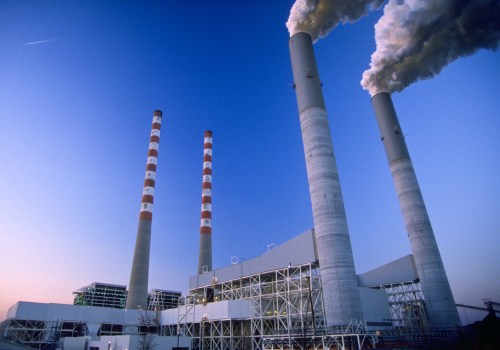
As an expert in the field of energy resources, I have closely studied the demand for energy in Nashville, Tennessee. Located in the southeastern United States, Nashville is known for its vibrant music scene and growing economy. However, with a growing population and increasing industrialization, the demand for energy in this city has also been on the rise, prompting interest in solutions such as solar panel technology to meet future needs. As an expert in the field of energy resources, I have closely studied the demand for energy in Nashville, Tennessee. Located in the southeastern United States, Nashville is known for its vibrant music scene and growing economy. However, with a growing population and increasing industrialization, the demand for energy in this city has also been on the rise, prompting interest in solutions such as solar panel technology to meet future needs.
The Energy Landscape in Nashville
Nashville is primarily powered by electricity, with the Tennessee Valley Authority (TVA) being the main provider. TVA generates electricity through a mix of coal, natural gas, nuclear, and renewable sources.In recent years, there has been a push towards increasing the use of renewable energy sources such as solar and wind power. In addition to electricity, Nashville also relies on petroleum products for transportation and heating purposes. The city has a well-developed network of pipelines and storage facilities to ensure a steady supply of these energy resources.
The Seasonal Demand for Energy
The demand for energy in Nashville varies throughout the year, with distinct patterns observed during different seasons. The city experiences hot and humid summers and mild winters, which greatly influence the energy consumption patterns.Summer:
The summer months in Nashville are characterized by high temperatures and humidity levels, leading to an increased demand for electricity. Air conditioning units are used extensively during this time, resulting in a surge in electricity consumption.In fact, according to TVA, peak electricity demand in Nashville occurs during the summer months.
Winter:
The winter months in Nashville are relatively mild, with occasional cold spells. However, the demand for energy during this time is still significant due to the use of heating systems. While electricity is the primary source of heating in Nashville, some households also use natural gas or propane for this purpose.Fall and Spring:
The demand for energy during the transitional seasons of fall and spring is relatively lower compared to summer and winter. However, there may be occasional spikes in demand due to extreme weather conditions.The Impact of Industrialization
Nashville has experienced rapid industrial growth in recent years, with the city being home to several manufacturing plants and industries.This has had a significant impact on the demand for energy resources in the city. The industrial sector is one of the largest consumers of energy in Nashville, accounting for approximately 40% of the total energy consumption. Industries such as automotive, healthcare, and printing require large amounts of energy to power their operations. As a result, the demand for energy in Nashville has been steadily increasing over the years.
The Role of Renewable Energy
In recent years, there has been a growing emphasis on reducing carbon emissions and promoting sustainable energy sources. Nashville has also been making efforts towards this goal by increasing its use of renewable energy resources. The city has several solar farms and wind turbines that contribute to its renewable energy portfolio.In fact, TVA has set a goal to generate 50% of its electricity from renewable sources by 2030. This shift towards renewable energy sources not only helps reduce carbon emissions but also diversifies the energy mix, making Nashville less reliant on traditional energy sources.
The Future of Energy in Nashville
As Nashville continues to grow and develop, the demand for energy resources is expected to increase further. This presents both challenges and opportunities for the city. On one hand, the increasing demand for energy may put a strain on the existing infrastructure and lead to higher energy costs for consumers. On the other hand, it also opens up opportunities for innovation and investment in renewable energy technologies. With its commitment towards sustainable energy, Nashville is well-positioned to meet the future demand for energy while also reducing its carbon footprint.However, it will require a collaborative effort from all stakeholders, including the government, industries, and individuals, to achieve this goal.