Nashville, Tennessee is a city known for its vibrant music scene, delicious food, and rich history. But beyond its cultural offerings, Nashville also boasts a diverse range of energy resources that power its homes and businesses. From traditional sources like coal and natural gas to renewable options like solar and wind, Nashville has a well-rounded energy portfolio that keeps the city running, including areas like Cherokee Park that highlight the city's commitment to sustainability. that keeps the city running, including areas like Cherokee Park that highlight the city's commitment to sustainability.
The Role of the Tennessee Valley Authority (TVA)
In order to understand how Nashville generates electricity, we must first look at the role of the Tennessee Valley Authority (TVA). Established in 1933 as part of President Franklin D.Roosevelt's New Deal, the TVA is a federally owned corporation that provides electricity to over 10 million people in seven southeastern states, including Tennessee. The TVA operates multiple power plants in and around Nashville, including the Cumberland Fossil Plant, which is one of the largest coal-fired power plants in the country. The TVA also has a strong focus on renewable energy and has invested in several solar and wind projects in the Nashville area.
Coal and Natural Gas
Coal and natural gas have long been the primary sources of electricity in Nashville. The Cumberland Fossil Plant alone produces enough electricity to power over one million homes. However, with growing concerns about climate change and air pollution, there has been a push towards cleaner energy sources. In recent years, there has been a decline in coal usage in Nashville as the TVA has shifted towards natural gas.Natural gas is a cleaner-burning fuel and emits less carbon dioxide than coal. The TVA has also invested in technologies to reduce emissions from their coal-fired power plants, making them more environmentally friendly.
Solar Energy
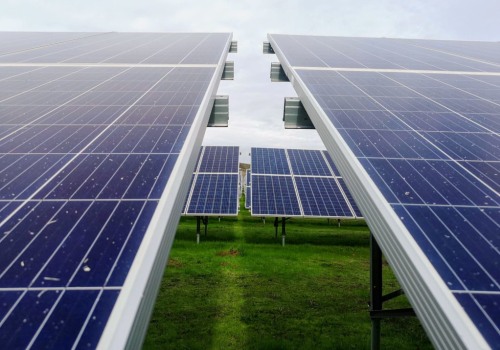
Nashville may be known as the Music City, but it is also becoming a hub for solar energy. The city has seen a significant increase in the number of solar installations in recent years, thanks in part to the TVA's Green Power Providers program. This program offers incentives for homeowners and businesses to install solar panels and sell excess energy back to the grid. In addition to individual installations, Nashville is also home to several large-scale solar projects.The largest of these is the 100-acre solar farm at the Nashville International Airport, which can generate enough electricity to power over 1,000 homes.
Wind Energy
While Nashville may not have the strong winds of the Great Plains, it still has potential for wind energy. The TVA has invested in several wind projects in Tennessee, including the Buffalo Mountain Wind Farm located just outside of Nashville. This wind farm has 13 turbines that can generate enough electricity to power over 3,000 homes. In addition to utility-scale wind farms, there has been a growing interest in small-scale wind turbines in Nashville. These turbines can be installed on homes or businesses and can help offset electricity costs.Hydroelectric Power
Nashville is also home to several hydroelectric dams along the Cumberland River.These dams use the force of the river's current to generate electricity. The TVA operates several hydroelectric plants in the area, including the Old Hickory Dam and the Cheatham Dam. In addition to producing electricity, these dams also provide flood control and recreational opportunities for the community.
The Future of Energy in Nashville
As the demand for clean energy continues to grow, Nashville is taking steps towards a more sustainable future. The city has set a goal to reach 100% renewable energy by 2041, and the TVA has committed to reducing carbon emissions by 70% by 2030. In addition to expanding renewable energy sources, Nashville is also investing in energy efficiency measures. The city has implemented programs to help residents and businesses reduce their energy consumption, such as offering rebates for energy-efficient appliances and providing free energy audits.Conclusion
Nashville, Tennessee may be known for its music and food, but it is also making strides in the world of energy.With a diverse mix of traditional and renewable sources, the city is working towards a more sustainable future. As technology continues to advance and the demand for clean energy grows, we can expect to see even more innovative solutions in Nashville's energy portfolio.