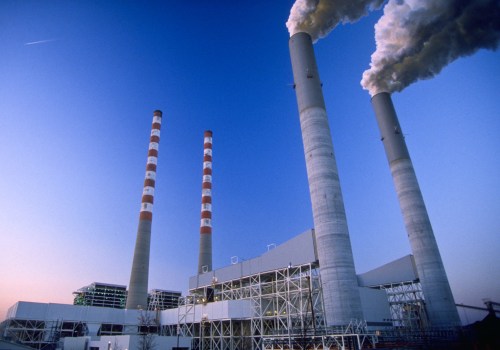
Nashville, Tennessee is a city known for its vibrant music scene, delicious food, and friendly people. However, like many cities around the world, it is also facing the challenge of reducing carbon emissions. As an expert in energy resources in Nashville, I have seen firsthand the efforts being made by nonprofit organizations in Nashville Tennessee addressing issues related to climate change and creating a more sustainable future for this city. Nashville, Tennessee is a city known for its vibrant music scene, delicious food, and friendly people. However, like many cities around the world, it is also facing the challenge of reducing carbon emissions. As an expert in energy resources in Nashville, I have seen firsthand the efforts being made by nonprofit organizations in Nashville Tennessee addressing issues related to climate change and creating a more sustainable future for this city.
The Impact of Carbon Emissions
Before we dive into the efforts being made to reduce carbon emissions in Nashville, let's first understand why it is such an important issue.Carbon emissions
are a major contributor to climate change, which has far-reaching consequences for our planet.In Nashville, the effects of climate change can already be seen in the form of extreme weather events such as floods and heatwaves. Furthermore, carbon emissions also have a direct impact on air quality and public health. According to the American Lung Association, Nashville ranks as one of the most polluted cities in the United States. This is largely due to the high levels of carbon emissions from transportation and energy production.
The Nashville Climate Action Plan
In 2019, Nashville released its first-ever Nashville Climate Action Plan, which outlines the city's goals and strategies for reducing carbon emissions. The plan was developed with input from community members, businesses, and experts in various fields. One of the main goals of the plan is to achieve carbon neutrality by 2050.This means that Nashville aims to reduce its carbon emissions to zero by that year. To achieve this ambitious goal, the plan focuses on four key areas: energy, transportation, waste reduction, and adaptation.
Energy
The energy sector is responsible for the majority of carbon emissions in Nashville. To address this, the city has set a goal to reduce energy consumption by 20% by 2030. This will be achieved through various initiatives such as promoting energy-efficient buildings, increasing the use of renewable energy sources, and implementing energy-saving measures in city-owned facilities. One notable project that is currently underway is the Nashville Solar Program, which aims to increase the adoption of solar energy in the city.Through this program, residents and businesses can receive financial incentives and technical assistance to install solar panels on their properties.
Transportation
The transportation sector is the second-largest contributor to carbon emissions in Nashville. To reduce these emissions, the city has set a goal to increase the use of alternative modes of transportation such as walking, biking, and public transit. This will not only help reduce carbon emissions but also alleviate traffic congestion and improve air quality. In addition, Nashville is also working towards electrifying its public transportation fleet. The city has already added electric buses to its fleet and plans to continue this transition in the coming years.Waste Reduction
The third key area of focus in the Nashville Climate Action Plan is waste reduction.The city aims to reduce waste sent to landfills by 50% by 2030. This will be achieved through initiatives such as expanding recycling programs, promoting composting, and reducing food waste. In addition, Nashville has also implemented a plastic bag ban in an effort to reduce single-use plastic waste. This ban prohibits retailers from providing customers with single-use plastic bags at checkout.
Adaptation
Lastly, the Nashville Climate Action Plan also includes strategies for adapting to the impacts of climate change. This includes measures such as improving stormwater management, protecting natural areas, and increasing community resilience.Other Efforts Being Made
In addition to the Nashville Climate Action Plan, there are several other efforts being made to reduce carbon emissions in the city.One of these is the Nashville Green Ribbon Committee, which was established in 2009 to advise the city on sustainability issues. The committee has been instrumental in promoting energy efficiency, renewable energy, and sustainable transportation in Nashville. Furthermore, many businesses and organizations in Nashville are also taking steps to reduce their carbon footprint. For example, HCA Healthcare, one of the largest employers in the city, has set a goal to achieve carbon neutrality by 2030. This includes investing in renewable energy and implementing energy-saving measures in its facilities.
The Importance of Community Involvement
While these efforts by the city and businesses are crucial, community involvement is also essential in reducing carbon emissions in Nashville.As individuals, we can all make small changes in our daily lives that can add up to make a big impact. This can include things like using public transportation, reducing energy consumption at home, and supporting local businesses that prioritize sustainability. Furthermore, community engagement is also important in holding our leaders accountable and pushing for more ambitious climate action. By staying informed and participating in discussions and initiatives related to sustainability, we can all contribute to creating a more sustainable future for Nashville.
In Conclusion
Nashville is taking significant steps towards reducing carbon emissions and creating a more sustainable future for its residents. From the Nashville Climate Action Plan to individual efforts by businesses and community members, there is a collective effort to combat climate change and improve the quality of life in this city.As an expert in energy resources in Nashville, I am hopeful that these efforts will continue to grow and lead to a more sustainable and resilient Nashville for generations to come.