Nashville, Tennessee is a vibrant city known for its music, food, and history. However, as the city continues to grow and develop, it is important to consider the impact of our energy resources on the environment. With a growing population and increasing energy demands, understanding the potential environmental impacts of using different energy resources in Nashville is crucial, especially when exploring the Ins and Outs of Home Improvement Loans that can help make energy-efficient upgrades. Nashville, Tennessee is a vibrant city known for its music, food, and history. However, as the city continues to grow and develop, it is important to consider the impact of our energy resources on the environment. With a growing population and increasing energy demands, understanding the potential environmental impacts of using different energy resources in Nashville is crucial, especially when exploring the Ins and Outs of Home Improvement Loans that can help make energy-efficient upgrades.
The Current Energy Landscape in Nashville
Nashville's energy mix is primarily made up of fossil fuels, with natural gas being the largest source of energy. According to the Tennessee Valley Authority (TVA), natural gas accounts for 60% of Nashville's electricity generation, followed by coal at 23%, nuclear at 12%, and renewable sources at 5%.The majority of this energy is used for residential and commercial purposes, with transportation accounting for a smaller portion. While natural gas is currently the dominant source of energy in Nashville, there has been a push towards renewable energy in recent years. The city has set a goal to reach 100% renewable energy by 2041, with an interim goal of 30% by 2025. This shift towards renewable energy is driven by concerns about climate change and the desire to reduce carbon emissions.
The Environmental Impacts of Fossil Fuels
Fossil fuels, such as natural gas and coal, have been the main sources of energy for decades. However, they also have significant environmental impacts. The extraction and production of these fuels can lead to air and water pollution, as well as habitat destruction.In addition, burning fossil fuels releases greenhouse gases into the atmosphere, contributing to climate change. In Nashville, the use of natural gas for electricity generation has led to increased levels of air pollution. According to the American Lung Association, Nashville ranks as one of the most polluted cities in the country for ozone and particle pollution. This can have serious health consequences, especially for vulnerable populations such as children and the elderly. Another concern with fossil fuels is the potential for water pollution. The extraction and production of natural gas can contaminate water sources with chemicals and waste products.
This can have a negative impact on both human health and aquatic ecosystems. Furthermore, the use of fossil fuels contributes to climate change. The burning of coal and natural gas releases carbon dioxide and other greenhouse gases into the atmosphere, trapping heat and causing global temperatures to rise. This can lead to more frequent and severe weather events, as well as other environmental consequences such as sea level rise and ocean acidification.
The Benefits of Renewable Energy
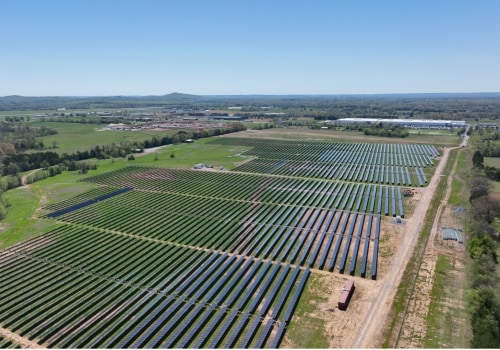
As concerns about the environmental impacts of fossil fuels continue to grow, there has been a shift towards renewable energy. Renewable energy sources, such as solar and wind power, have a much smaller environmental footprint compared to fossil fuels.They do not produce air or water pollution, and they do not contribute to climate change. In addition to being more environmentally friendly, renewable energy also has economic benefits. The production of renewable energy creates jobs and stimulates economic growth. It also reduces our dependence on imported fossil fuels, which can be subject to price fluctuations.
The Environmental Impacts of Renewable Energy
While renewable energy sources have many benefits, they are not without their own environmental impacts. The production of solar panels and wind turbines requires the use of raw materials, which can have negative environmental consequences.For example, the mining of rare earth metals for solar panels can lead to habitat destruction and water pollution. In addition, the construction of renewable energy infrastructure, such as wind farms and solar arrays, can have an impact on wildlife. Wind turbines, in particular, have been known to cause bird and bat fatalities. However, steps can be taken to mitigate these impacts, such as careful placement of wind turbines and the use of bird-friendly designs.
The Importance of Sustainable Energy Practices
As Nashville continues to grow and develop, it is crucial that we prioritize sustainable energy practices. This means reducing our reliance on fossil fuels and increasing our use of renewable energy sources.It also means implementing energy efficiency measures to reduce overall energy consumption. One way to achieve this is through energy conservation efforts. This includes simple actions such as turning off lights when not in use and using energy-efficient appliances. It also involves larger-scale initiatives such as building codes that require energy-efficient design and construction. Another important aspect of sustainable energy practices is energy storage. As renewable energy sources like solar and wind are intermittent, it is important to have a way to store excess energy for times when the sun isn't shining or the wind isn't blowing.
This can help reduce our reliance on fossil fuels for backup power.
The Role of Government and Individuals
The transition to a more sustainable energy future will require action from both the government and individuals. On a governmental level, policies and regulations must be put in place to encourage the use of renewable energy and discourage the use of fossil fuels. This can include incentives for renewable energy production and carbon pricing to account for the environmental costs of fossil fuels. Individuals can also make a difference by making small changes in their daily lives. This can include using public transportation or carpooling, choosing energy-efficient appliances, and supporting renewable energy initiatives in their community.Conclusion
In conclusion, the use of different energy resources in Nashville has both positive and negative environmental impacts.While fossil fuels have been the dominant source of energy for many years, there is a growing push towards renewable energy. It is important for us to understand the potential environmental impacts of these energy resources and work towards a more sustainable future for Nashville and the planet as a whole.